


Is Massage Necessary After Rhinoplasty? The Role of Massage and a Detailed Application Guide
May 13, 2026
Why Functional Rhinoplasty Matters: The Ideal Balance of Healthy Breathing and Natural Beauty
June 18, 2026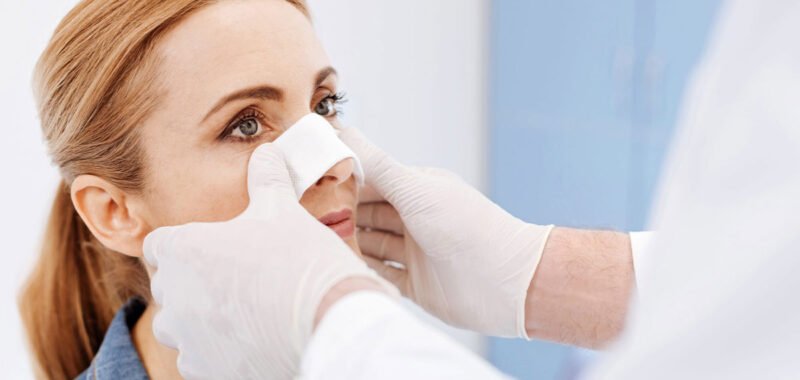
The most exciting and patient-testing milestone of the Rhinoplasty journey is the appointment to remove the splint and packing, which typically occurs about one week after surgery. For patients, this moment signifies both the first contact with their new silhouette in the mirror and a sense of physical relief. However, this stage is not the end of recovery; rather, it is the beginning of the most delicate phase, where the new form of the nose must be protected.
Op. Dr. Behçet Şahin maintains that the permanence of surgical success depends largely on patient discipline during this process. For our patients planning a Rhinoplasty in Turkey, this detailed guide covering the post-splint period will ensure you reach your dream result safely.
1. First Meeting with the New Nasal Profile: Expectations vs. Reality
The image you encounter when the splint (the plastic or plaster protector on the nose) and the packing are removed is not the final result. Psychological preparation is vital at this stage:
- Fluctuating Edema: While the splint protects the nose from external impacts, it also applies pressure to suppress swelling. The moment the splint is removed, the tissues are released, and your nose may appear wider or “bulkier” than expected. This is entirely temporary.
- Nasal Tip Position: Due to edema, the nasal tip may appear slightly more upturned and tense than intended. Over time, through gravity and tissue healing, the tip will settle into its ideal angle (typically 105° for women and 90-95° for men).
- Skin Reactions: The skin, which has been covered for a week, may show oiliness, acne, or sensitivity. Cleaning your skin with gentle, alcohol-free cleansers is sufficient at this stage.
2. Internal Nasal Care and Breathing Comfort
With modern surgical techniques, breathable silicone splints with hollow centers are now used instead of the traditional gauze packing that suffocates the patient. After these are removed, internal nasal hygiene is vital:
- Sea Water Sprays: Crusting on the suture lines and mucosa inside the nose can block the airway. Op. Dr. Behçet Şahin recommends the regular use of ocean water sprays to soften and clear these crusts.
- No Blowing Your Nose: You must strictly avoid forcefully blowing your nose for the first month after surgery. The increase in internal pressure can lead to capillary bleeding or the displacement of newly fused cartilage supports.
3. Physical Protection and Daily Life Restrictions
Once the splint is removed, your nose is “exposed” and vulnerable. It will take months for the bones to fuse and for the cartilage to gain resilience:
- Wearing Glasses: This is the strictest rule of this period. As we specifically remind our patients returning to their home countries after aesthetic surgery in Turkey, prescription glasses or sunglasses must not be worn for at least 2-3 months. The pressure from the frames on the nasal bridge can cause depressions in the bone structure or permanent asymmetries.
- Sun and Heat Protection: Healing tissues are sensitive to heat. Sunlight increases the risk of permanent staining in bruised areas. Additionally, saunas, steam rooms, and very hot showers can trigger edema.
- Sleep Position: You should continue sleeping with two pillows to keep your head above heart level for at least 2 more weeks. Sleeping on your side may cause edema to accumulate on one side of the face due to gravity, leading to asymmetrical healing.
4. International Patients and Travel Protocol
Guests coming for rhinoplasty in Turkey from various European countries within the scope of international health tourism usually take their flights one day after the splint is removed:
- Flight Safety: Cabin pressure can cause a feeling of fullness and mild pain in a recently operated nose. Having moisturizing nasal sprays with you during the flight will increase your comfort.
- Digital Follow-up: Op. Dr. Behçet Şahin continues to monitor patients through online check-ups after they return to their countries. These evaluations, performed via photographs during the post-splint period, confirm whether healing is on track.
5. Seamless Recovery with Piezo Technology
Op. Dr. Behçet Şahin utilizes Piezo technology, which shapes bones with ultrasonic sound waves without breaking them. The greatest advantage of this method is seen when the splint is removed:
- Less Trauma: Because soft tissues are preserved, there is significantly less bruising and swelling upon splint removal compared to traditional methods.
- Elegant Contours: Since the bone incisions are smooth, you will not experience the sensation of “steps” or irregularities on the nasal bridge when the splint comes off.
Flawless Beauty Through Patience
The removal of the splint and packing is only the first turn in the recovery marathon. It takes a full year for the nose to take its final shape and for the skin to fully settle onto the bone. During this time, adhering to your surgeon’s massage and care instructions and protecting your nose like a newborn is the only path to success. Under the guidance of Op. Dr. Behçet Şahin, who combines professional follow-up with global technology, you can complete this process comfortably and enjoy your new profile.